
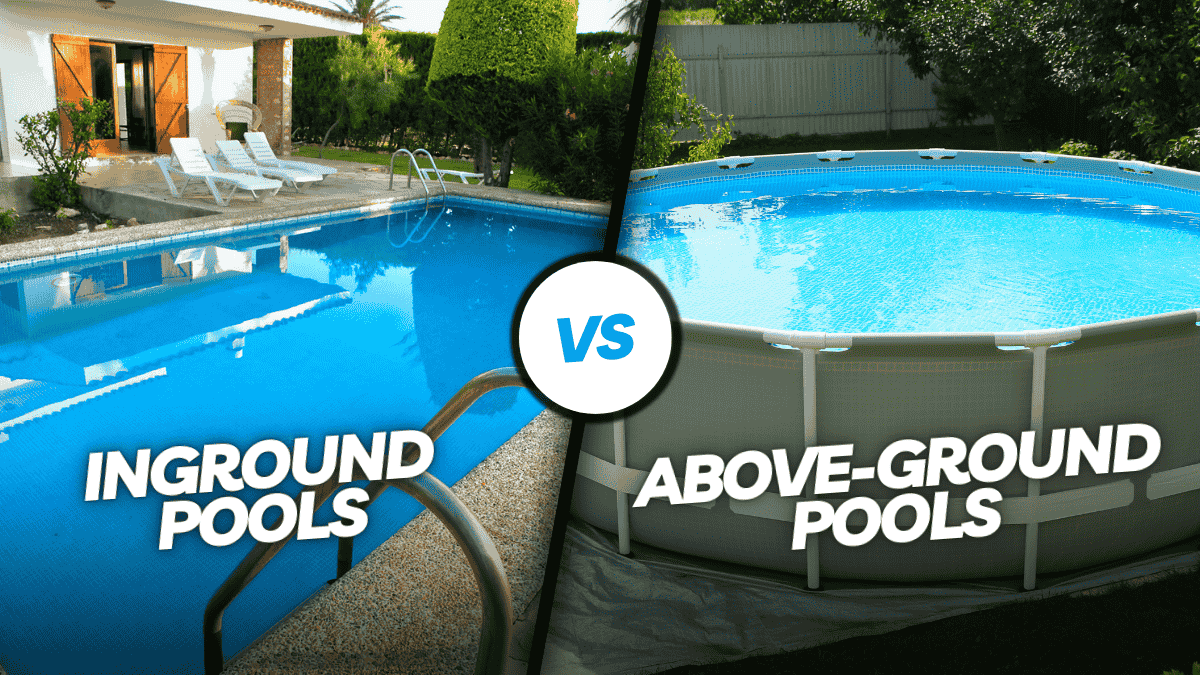
Choosing the right swimming pool is an important decision that affects your home’s value, maintenance needs, and overall enjoyment. With so many options available, it’s essential to understand the differences between inground vs above-ground pools. Each type offers unique advantages and drawbacks, from cost and durability to installation time and upkeep.
A pool is not just a place to swim; it’s an investment in your home and lifestyle. Some of us may want a permanent, custom-built pool that adds value to your property, while others may prefer a more affordable, quick-to-install option that offers flexibility. Understanding the differences between inground and above-ground pools will help us avoid costly mistakes and ensure you get the best pool for your needs.
We break down Swimming pool comparison like- the pros and cons of each type of pool, compare costs and maintenance, and highlight important factors to consider.
Inground Pools
Inground pools are a long-term investment that can turn your backyard into a personal paradise. They offer a sleek, custom look that blends seamlessly with your landscaping, making them a popular choice for homeowners who want both beauty and functionality. However, they also come with higher costs and ongoing maintenance needs.
Inground pool benefits: Pros of Inground Pools
Aesthetic Appeal
An inground pool enhances the overall look of your backyard. Since they are built into the ground, they create a natural, seamless appearance that can be customized to match your outdoor space. You can choose from various materials, such as concrete, fiberglass, or vinyl, and add features like waterfalls, tanning ledges, LED lighting, and decorative tile work. With the right design, an inground pool becomes more than just a place to swim—it becomes a stunning focal point of your home.
Durability of pools
When built with high-quality materials, inground pools can last for decades. Concrete pools, for example, can last 50 years or more with proper care. Fiberglass pools also have a long lifespan and require less maintenance over time. Unlike above-ground pools, which can be vulnerable to weather damage and structural wear, inground pools are designed to withstand harsh conditions, making them a solid investment for homeowners who plan to stay in their home long-term.
Increased Property Value
An inground pool is considered a luxury feature that can boost your home’s resale value. While it’s not guaranteed that you’ll get back every dollar you invest, homes with well-maintained inground pools often attract more buyers and sell for higher prices. In warmer climates, where pools are used year-round, they can be an even greater asset when selling a home.
Customization
One of the biggest advantages of an inground pool is the ability to design it exactly how you want. You can choose the size, depth, and shape that best fits your space and lifestyle. Whether you want a deep-end for diving, a shallow lounging area, or a built-in spa, you have endless possibilities. Heating systems, saltwater filtration, and automatic covers can also be added to enhance convenience and comfort.
Long-Term Investment
Since inground pools are permanent structures, they provide years of enjoyment. Unlike above-ground pools, which may need to be replaced after a decade or so, an inground pool is built to last. If you plan to stay in your home for many years, an inground pool can be a worthwhile investment that offers both recreation and relaxation for the long haul.
Cons of Inground Pools
High Cost
One of the biggest downsides of inground pools is the price. The cost of installation typically ranges from $30,000 to over $100,000, depending on the size, materials, and added features. On top of that, annual maintenance costs—including chemicals, cleaning, and repairs—can add up to around $4,000 per year. This makes inground pools a significant financial commitment.
Lengthy Installation
Unlike above-ground pools, which can be installed in a matter of days, inground pools take much longer to build. The process usually takes between 8 to 12 weeks, depending on the complexity of the project. Excavation, plumbing, electrical work, and construction all add to the timeline. If you’re planning to install a pool, you need to be prepared for a long construction period before you can enjoy it.
Ongoing Maintenance
Owning an inground pool requires regular upkeep. You need to clean it, balance the chemicals, and check the filtration system to keep the water safe and clear. During colder months, winterization is necessary to prevent damage. While automatic cleaning systems can help, maintaining an inground pool still requires time and effort—or the added cost of hiring a pool service.
Space Requirements
An inground pool requires a large, well-planned space. Before installation, you must consider zoning regulations, property lines, and landscaping integration. If you have a smaller yard, fitting a pool may be challenging. Additionally, the layout of your backyard might need to be adjusted to accommodate decking, patios, or safety barriers.
Final Thoughts
Inground pools offer durability, beauty, and customization, making them a great option for homeowners looking for a permanent, high-end addition to their backyard. However, they require a significant investment in both time and money. By weighing the pros and cons, you can determine whether an inground pool is the right choice for your home and lifestyle.
Above-Ground Pool Pros and Cons
Above-ground pools are a budget-friendly and flexible option for homeowners who want a pool without the high costs and long-term commitment of an inground structure. These pools offer a quick and easy way to enjoy swimming, especially for families with young children or those who may move in the future. However, they do come with some drawbacks, including limited durability and aesthetic appeal. Let’s explore the pros and cons of above-ground pools in more detail.
Pros of Above-Ground Pools
Affordability
One of the biggest advantages of an above-ground pool is its low cost. These pools typically range from $1,500 to $15,000, depending on size, materials, and additional features. Compared to inground pools, which can cost tens of thousands of dollars, above-ground pools provide an affordable way to enjoy swimming at home. They also have lower installation and maintenance costs, making them a great choice for budget-conscious homeowners.
Quick Installation
Unlike inground pools, which take weeks to build, above-ground pools can be installed in as little as one or two days. Many models come in pre-made kits that you can assemble yourselves or have professionally installed. This means you can start enjoying your pool almost immediately, without dealing with a long construction process.
Portability
Above-ground pools are not permanent structures, which makes them ideal for homeowners who may move in the future or renters who want a temporary swimming option. If needed, you can disassemble and relocate the pool to a new home or store it away during colder months. This flexibility makes above-ground pools a great choice for those who aren’t ready to commit to a permanent installation.
Low Pool Maintenance Costs
Maintaining an above-ground pool is simpler and more affordable than caring for an inground pool. Since these pools are smaller, they require fewer chemicals and less energy for filtration and heating. Many models also come with easy-to-clean liners and removable filters, reducing the time and effort needed for upkeep. On average, the yearly maintenance costs for an above-ground pool are much lower than those of an inground pool, saving us money in the long run.
Safety Features
The elevated design of above-ground pools adds an extra layer of safety, especially for families with small children and pets. Since the pool sits above the ground, it’s harder for kids or animals to accidentally fall in. You can also add ladders with lockable gates or remove the ladder entirely when the pool is not in use to further improve safety.
Cons of Above-Ground Pools
Limited Durability
Above-ground pools have a shorter lifespan than inground pools. Depending on the materials used, they typically last between 3 to 15 years. While some high-end models with metal or resin frames last longer, most above-ground pools are more susceptible to wear and tear from weather, UV exposure, and frequent use. Vinyl liners, in particular, may need replacement every few years.
Aesthetic Limitations
While above-ground pools provide fun and function, they don’t have the same polished, integrated look as an inground pool. They often stand out in a backyard rather than blending into the landscape. While you can add decking, fencing, and landscaping to improve the appearance, they generally don’t offer the same luxurious appeal as inground pools.
Size Constraints
Above-ground pools are usually smaller and shallower than inground pools. Most models are between 4 to 5 feet deep, which makes them unsuitable for diving. While they’re great for casual swimming and relaxation, they may not be ideal for those who want to swim laps or do advanced water exercises. If you’re looking for a pool with more space and depth, an above-ground option may feel limiting.
Temperature Regulation Issues
Since above-ground pools lack the natural insulation that inground pools get from surrounding soil, their water temperature fluctuates more. They can get too warm in the summer and lose heat quickly in cooler weather. Without proper insulation or a pool cover, maintaining a comfortable water temperature can be a challenge.
Final Thoughts
Above-ground pools offer an affordable, quick, and flexible way to enjoy swimming at home. They are great for families, renters, or homeowners looking for a low-maintenance option. However, they come with trade-offs, including limited durability, aesthetic appeal, and size constraints. By weighing the pros and cons, you can decide if an above-ground pool is the right fit for your home and lifestyle.
Side-by-Side Comparison: Inground vs. Above-Ground Pools
Choosing between an inground and an above-ground pool depends on several key factors, including cost, durability, aesthetics, and long-term value. To help make the decision easier, you’ve put together a detailed comparison table that breaks down the major differences between these two pool types.
| Feature | Inground Pools | Above-Ground Pools |
| Cost | $30,000–$100,000+ (high initial investment) | $1,500–$15,000 (budget-friendly) |
| Installation Time | 8–12 weeks (extensive construction) | 1–2 days (quick and easy setup) |
| Durability | 20+ years with proper maintenance | 3–15 years, depending on materials |
| Aesthetic Appeal | Highly customizable, blends with landscaping | Limited design options, less elegant |
| Maintenance Costs | Around $4,000 per year (chemicals, cleaning, repairs) | Lower, around $500–$1,000 per year |
| Space Requirements | Requires a large, permanent space | Fits smaller spaces, can be relocated |
| Property Value Impact | Increases resale value, considered a luxury feature | Minimal impact on home value |
Breaking It Down
- Cost: Inground pools are a major investment, but they add value to the home. Above-ground pools, on the other hand, are more affordable but don’t offer the same long-term return.
- Installation Time: If you want a pool quickly, an above-ground option is the fastest way to go. Inground pools require more time due to excavation, plumbing, and construction.
- Durability: An inground pool can last decades with proper care, while an above-ground pool has a shorter lifespan and may need repairs or replacement sooner.
- Aesthetic Appeal: Inground pools enhance the look of a backyard with custom designs, while above-ground pools are more functional but not as visually appealing.
- Maintenance Costs: While both require upkeep, inground pools are more expensive to maintain due to their larger size and complex systems.
- Space & Flexibility: Inground pools are permanent, requiring a dedicated space. Above-ground pools are better for smaller yards and can be moved if needed.
- Property Value Impact: Homebuyers see inground pools as a desirable feature, whereas above-ground pools don’t typically increase home value.
By comparing these factors, you can determine which pool best fits your budget, space, and long-term plans.
Which Pool Is Right for You?
Choosing between an inground and an above-ground pool comes down to budget, space, and long-term goals. Both options offer great benefits, but the right choice depends on what matters most to us as homeowners.
Choose an Inground Pool If…
- You want a long-term investment that adds lasting value to your home. Inground pools are seen as a luxury feature and can increase property value.
- You have a larger budget and enough backyard space to accommodate a permanent pool. Inground pools require excavation, plumbing, and landscaping integration.
- Aesthetics and customization are a priority. If you want a pool that blends seamlessly with your backyard, includes custom features like waterfalls, spas, or lighting, and enhances the overall look of your outdoor space, an inground pool is the best choice.
- you plan to stay in your home for years and want a pool that will provide enjoyment for decades.
Choose an Above-Ground Pool If…
- You need a budget-friendly option. Above-ground pools cost significantly less than inground pools, making them a great choice for families who want to enjoy a pool without a huge financial commitment.
- you want a quick and easy installation. If you’re looking to swim within a few days instead of waiting weeks or months for construction, an above-ground pool is the way to go.
- you have limited yard space or may move in the future. Since above-ground pools are not permanent, they can be taken down or even relocated.
- you prefer lower maintenance and operational costs. Above-ground pools require fewer chemicals, less cleaning, and less overall upkeep, making them a great option for those who want a pool with minimal effort.
Final Thoughts
Both inground and above-ground pools can provide years of fun and relaxation, but choosing the right one depends on your lifestyle and long-term plans. If you’re looking for a permanent backyard upgrade and have the budget, an inground pool is the best choice. If you want a more affordable, flexible, and low-maintenance option, an above-ground pool is the way to go. No matter which type you choose, a pool is a great way to bring family and friends together for countless memories.
Conclusion
Choosing the right pool comes down to what works best for my home, budget, and long-term plans. Inground pools offer beauty, durability, and a boost in property value, making them a great investment for homeowners who want a permanent backyard upgrade. On the other hand, above-ground pools provide an affordable, quick-to-install, and flexible option that’s easier to maintain.
Before making a decision, you need to consider how much you’re willing to spend, how much space you have, and how long you plan to stay in my home. A pool is a big investment, and choosing the right one will ensure years of enjoyment with family and friends.
If you need expert advice, you can count on Bourgeois Pools to help me find the perfect pool for your backyard. With 10 years of experience in pool installation and maintenance, they provide high-quality service tailored to your needs. you can contact Bourgeois Pools today or make a call now ( 337-354-5657) to get started on bringing your dream pool to life!