
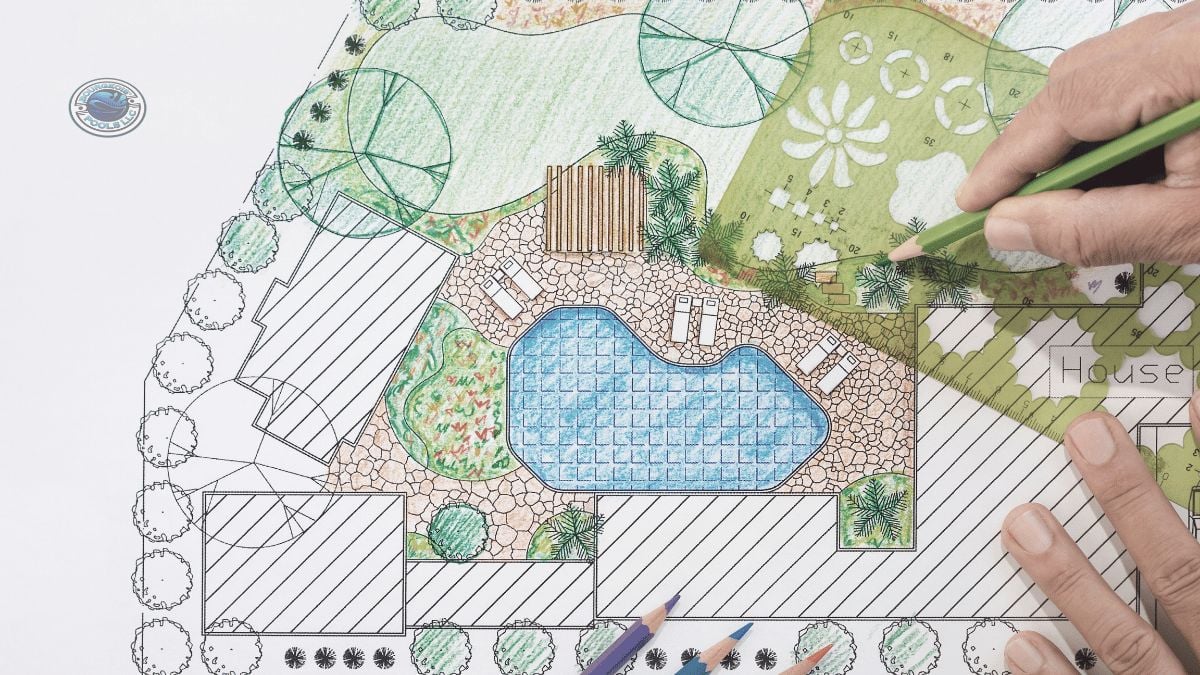
After 10 years of installing pools across the county, We’ve seen firsthand how location can make or break a pool project. Choosing where to place your pool isn’t just about aesthetics—it affects everything from how much you’ll enjoy it to how much maintenance you’ll need to do.
When homeowners rush this decision, they often regret it later. The perfect spot balances sunlight, privacy, and convenience while meeting all local building requirements. Getting it right the first time saves thousands in potential fixes down the road.
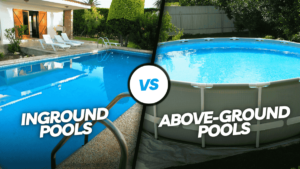
In this guide, we’ll breakdown how to choose the best location for pool installation and walk you through the key factors that have helped our clients create their dream pool spaces. Whether you’re planning an in-ground oasis or an above-ground retreat, these tips will help you avoid common mistakes and make the most of your investment.
1. Sun Exposure
The sun is your pool’s best friend. We always tell our clients that proper sunlight does three important things: it warms your water naturally, reduces heating costs, and creates that inviting sparkle on the water’s surface.
In our experience, the ideal pool gets at least 6 hours of direct sunlight daily. South-facing positions typically work best in our region, capturing sunlight throughout the day. East-facing locations get morning sun but cool off by afternoon, while west-facing spots heat up later but stay warmer into the evening.
Be careful about too much of a good thing, though. During our scorching summer months, some shade during the hottest part of the day (1-4 PM) can actually be beneficial. It prevents excessive water evaporation and gives swimmers a break from intense rays.
For families who swim mostly on weekends or evenings, we sometimes recommend slightly different positioning to maximize sun during those specific times.
2. Privacy Considerations
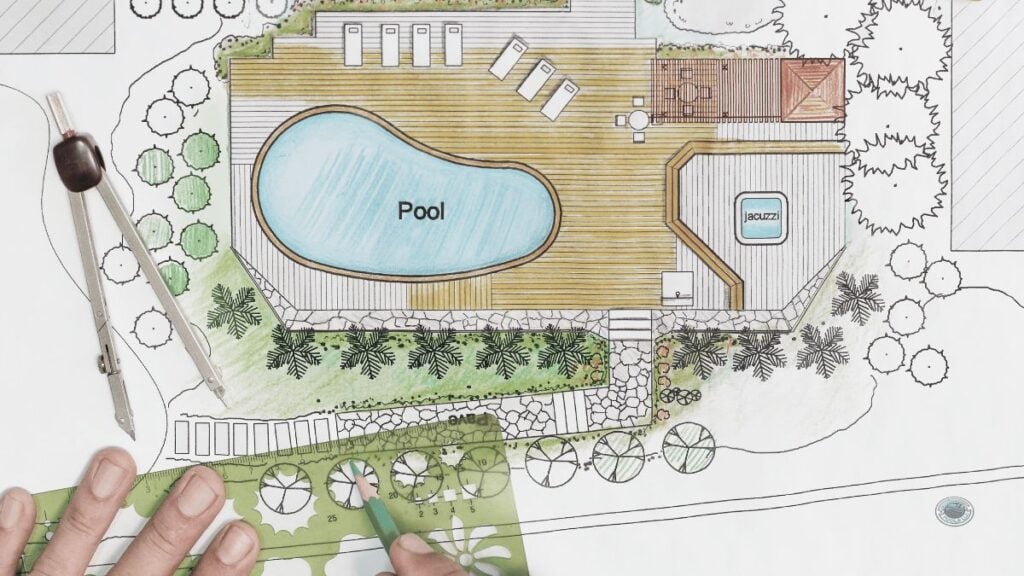
Privacy is something our clients don’t always think about until after their pool is installed. Trust me—there’s nothing worse than feeling like you’re on display while trying to relax in your new pool.
We’ve seen plenty of homeowners who skipped privacy planning and ended up spending thousands later on fixes. One client in Riverside had to add a custom privacy wall because their pool was visible from their neighbor’s second-story windows—an extra $3,800 they hadn’t budgeted for.
Your comfort level matters. Some of our clients don’t mind being visible to neighbors, while others want complete seclusion. Think about your personal preference before we break ground.
Here’s what works for most of our clients:
- Natural barriers are usually the most attractive option. Strategic landscaping with evergreen shrubs or trees creates a living wall that gets more private each year. Bamboo grows quickly and provides excellent screening, though you’ll need to install root barriers to keep it contained.
- Fencing is often required by law anyway, so choose styles that enhance privacy. Solid vinyl fencing offers complete screening, while wooden slat fencing provides a balance of airflow and privacy.
- For hillside properties, we sometimes need to get creative. One solution We’ve used is building the pool area into a terraced section of the yard, using the natural elevation changes as privacy shields.
Remember that privacy works both ways—you probably don’t want to stare at your neighbor’s property while enjoying your pool either. Position your pool to take advantage of your property’s best views, whether that’s your landscaped garden or the distant mountains.
3. Terrain and Ground Conditions
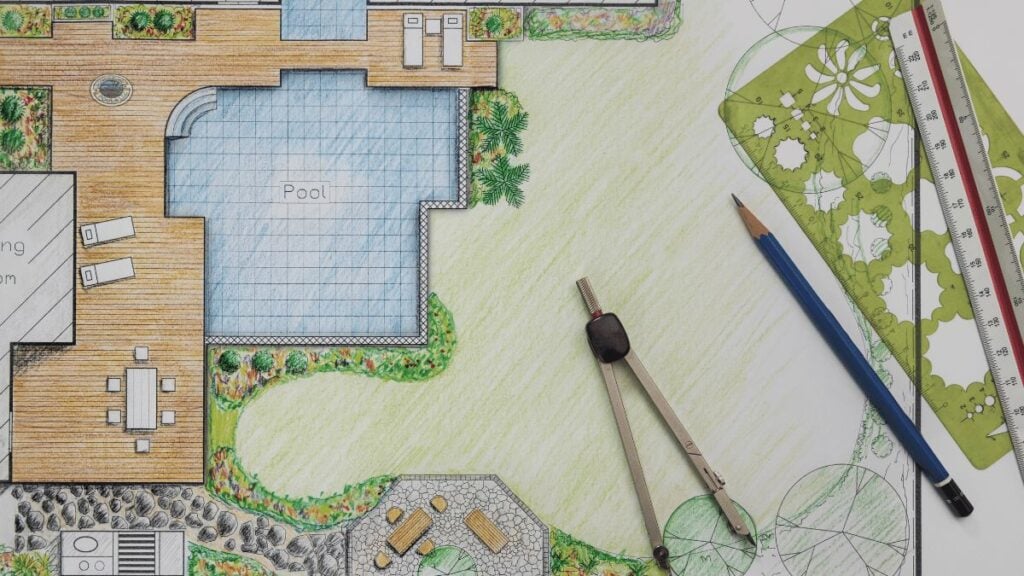
We can’t stress enough how important your yard’s terrain is when choosing a pool location. In our experience of installing pools, We’ve seen costs double when homeowners ignore ground conditions.
A level surface is ideal. When your yard has a significant slope, we need to either cut into the hill or build up the low side. Either way, it means more excavation and often requires retaining walls.
Low spots in your yard might seem like natural places for a pool, but be careful. These areas often collect water during rainstorms. We remember one client who insisted on putting their pool in the lowest part of their property despite our warnings. During our first heavy rain that fall, water pooled around the pool deck and damaged their equipment. Always check how water naturally flows across your property before deciding.
Soil type matters tremendously. Your soil needs to support not just the pool itself but all that water weight. Clay soils expand and contract with moisture changes, which can crack pool shells. Sandy soils might require additional structural support. Our team always does soil testing before finalizing a location.
Rocky ground presents its own challenges. Hitting a large boulder during excavation can add days to your timeline and thousands to your budget. If your property has visible rock outcroppings, we should test nearby areas before committing to a location.
Underground utilities and septic systems need consideration too. We once had to completely redesign a pool project when we discovered an unmarked drainage pipe crossing the planned excavation area. Always call for utility marking before settling on your pool’s position.
4. Accessibility and Integration with the Home
One mistake we see repeatedly is pools placed too far from the house. After installing hundreds of pools, We’ve learned that convenience is key to how much you’ll actually use your investment.
Your pool should feel like a natural extension of your living space. When we’re planning pool locations with clients, we always ask about their typical entertaining patterns. If you host summer barbecues, having the pool near your outdoor kitchen or patio makes sense. One of our clients in Fairview Heights positioned their pool just steps from their sliding glass doors, creating a seamless flow between indoor and outdoor living areas.
Safety is another major reason to keep your pool where you can see it. For families with young children, visibility from the house is non-negotiable. we recommend locations visible from common areas like the kitchen or family room. A client of mine specifically positioned their pool where they could monitor it from their home office window while working.
Consider your daily routine too. If the path to your pool involves trekking across muddy grass or walking around landscaping, you’ll use it less. we always plan for convenient, non-slip walkways connecting the house to the pool area.
Weather protection matters too. In our area, having some wind protection near the pool makes swimming more enjoyable on breezy days. A pool tucked closer to the house often benefits from the structure blocking prevailing winds.
5. Distance from the House and Property Lines
Setting your pool too close to your house can lead to moisture problems. We’ve fixed plenty of foundation issues caused by pools installed right against home walls. We generally recommend keeping pools at least 10 feet from your home’s foundation to prevent water seepage and humidity damage.
Property lines are another critical consideration. Most counties in our area require pools to be at least 5 feet from property lines, but some neighborhoods have stricter requirements. We had a client in Woodridge who had to redesign their entire pool because they hadn’t checked their HOA rules, which required a 10-foot setback—much more than the county minimum.
Don’t forget about existing structures on your property. A pool too close to your garage might make parking difficult or create awkward spaces that collect debris. One of our clients had to rebuild their driveway because they didn’t account for how pool placement would affect vehicle access.
Underground utilities often run along property boundaries. We always call for line marking before finalizing a location. Last spring, we discovered gas and water lines running exactly where our client wanted their pool. Moving these utilities would have added $4,500 to their project, so we adjusted the position instead.
Your view from inside matters too. When we’re helping clients choose locations, we always go inside their home and look out through the windows they use most. Seeing your beautiful pool from your kitchen window or home office can enhance your enjoyment even when you’re not swimming.
Access for maintenance equipment is something homeowners often overlook. Your pool will need regular service, and technicians need enough room to work around the entire perimeter. We recommend at least 3 feet of clear space around all sides of the pool for proper maintenance access.
6. Local Building Regulations and Permits
We can’t count how many times we’ve seen excited homeowners design their dream pool only to discover it violates local codes. Trust me—skipping the permit process is never worth it. In our business, we’ve seen pools that had to be completely removed because they were installed without proper approvals.
Every county has different requirements, but most have rules about:
- Setbacks from property lines, which We mentioned earlier, are strictly enforced. In Henderson County, for example, pools must be at least 5 feet from side property lines and 10 feet from rear lines.
- Fencing is mandatory almost everywhere. Most codes require a minimum 4-foot fence with self-closing, self-latching gates. Some jurisdictions even specify the maximum gap size between fence pickets.
- Electrical safety codes are particularly stringent. All outlets near the pool need GFCI protection, and there are specific requirements for how lighting is installed. Last year, we worked with a family who had to rewire their entire backyard because their DIY pool lighting didn’t meet code.
- Drainage regulations often surprise our clients. Your pool system can’t just dump backwash water anywhere—many areas require proper drainage plans that prevent water from flowing onto neighboring properties.
Before we start any project, we help our clients research their specific local requirements. The building department at your city or county office is the first stop. Bring your property survey when you visit—they’ll want to see it.
If you live in an HOA community, you’ll need to check their rules too. HOAs often have additional restrictions beyond local building codes. We had a client in Pine Ridge whose HOA limited pool size to no more than 15% of their total yard area.
7. Proximity to Trees and Landscaping
Trees are both a blessing and a challenge when it comes to pool placement. Throughout our career, we’ve dealt with countless pool owners frustrated by leaves and debris from overhanging branches.
Large trees near your pool will drop leaves, flowers, seeds, and sometimes even branches into the water. One of our clients had a beautiful oak tree hanging over their pool. They loved the partial shade it provided but didn’t realize they’d be skimming the water daily during fall when the leaves dropped. Their automatic cleaner couldn’t keep up, and their filtration system needed servicing twice as often as normal.
Most problematic are trees with invasive root systems like willows, poplars, and certain maples. If you have these trees within 20 feet of your planned pool location, we should discuss potential issues. Some slow-growing trees with less aggressive roots, like certain oaks, pose fewer problems when properly managed.
Don’t forget about the future growth of younger trees. That small decorative tree that seems harmless today could become a major problem in five years. We always walk properties with clients and discuss which trees might need removal or regular professional pruning to protect their investment.
When designing pool areas, We often recommend plants specifically chosen for pool environments—varieties that drop minimal debris and don’t attract bees or wasps. Ornamental grasses, certain succulents, and carefully selected flowering perennials can create a beautiful poolside environment without the maintenance headaches.
Remember that whatever you plant near your pool will need regular maintenance to keep it from becoming a problem. Budget for professional tree trimming every 1-2 years if you keep trees near your pool area.
8. Wind Protection
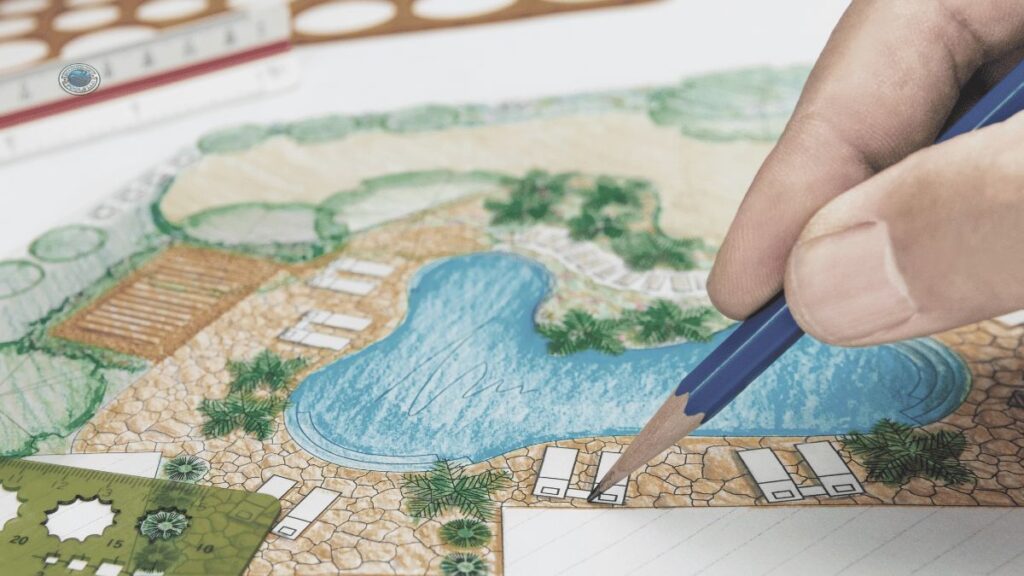
Wind is the silent pool enemy that many homeowners don’t consider until after installation. Strong winds accelerate water evaporation, which means you’ll be refilling your pool more often. For heated pools, this is particularly costly—you’re literally watching your money evaporate. One client on a hilltop property was losing nearly two inches of water weekly during windy periods, significantly increasing their water bill.
Debris is another major headache with windy pool locations. Leaves, dirt, and trash get blown into unprotected pools, increasing cleaning time and putting strain on your filtration system. Some of our clients in particularly windy locations were running their pumps nearly twice as long as necessary just to keep the water clean.
When we evaluate properties, we pay attention to the prevailing wind direction. In our region, afternoon winds typically come from the southwest, so positioning your pool where it’s somewhat protected from that direction often works well.
Natural windbreaks are your best defense. Existing structures like your home, garage, or garden walls can provide excellent wind protection. One creative solution we used for a particularly exposed pool was building a decorative stone wall that doubled as a water feature on the windward side.
For severe wind conditions, we sometimes recommend pool designs with raised walls on the windward side or installing dedicated windscreens that can be adjusted seasonally. These features can be integrated into your overall design to enhance rather than detract from the appearance.
Remember that some air circulation is beneficial—it helps chemicals disperse evenly and prevents stagnant areas in your pool. The goal isn’t to eliminate all airflow but to manage excessive wind that interferes with your pool enjoyment.
9. Aesthetic Considerations and View from the Home
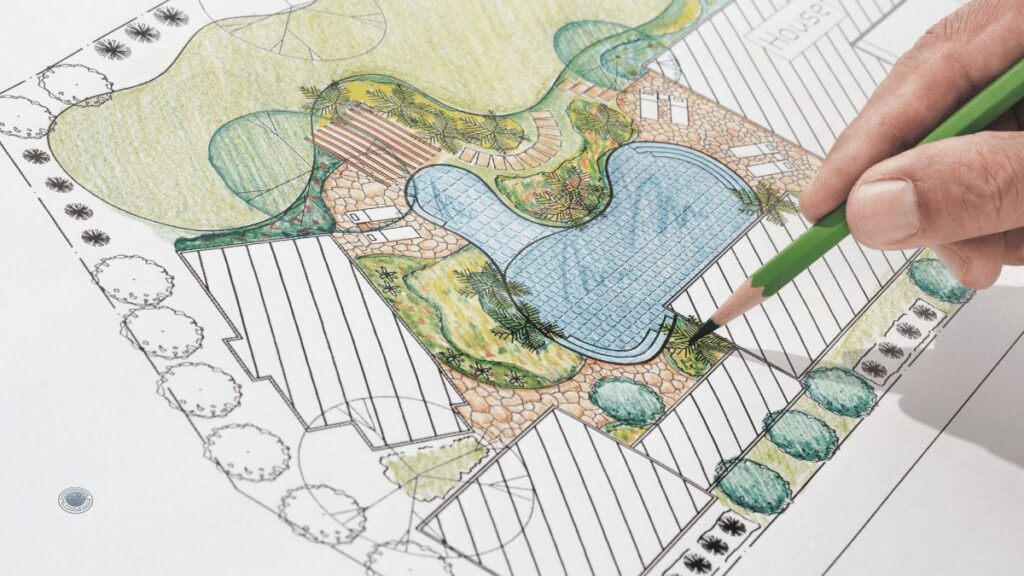
We always take our clients to their most-used rooms and look out the windows. What do you see from your kitchen, living room, or bedroom? These sightlines should influence your pool placement. One of my favorite projects was for a family in Oakwood Heights who positioned their pool so the morning light reflected off the water and created dancing patterns on their kitchen ceiling. They tell me it’s like having a living art installation with their morning coffee.
Consider the view while you’re in the pool too. Nobody wants to stare at the side of a shed or air conditioning units while relaxing in the water. We always ask clients, “What do you want to see while floating on your back?” For some, it’s the sky and treetops. For others, it’s their garden or a special landscape feature.
Lighting transforms your pool at night. Even when you’re not swimming, a well-lit pool creates ambiance for evening entertaining. We position pools where they’ll be visible from outdoor dining areas or patios. Our clients in Westfield added fiber optic lighting to their pool, and now it serves as the centerpiece for their evening gatherings year-round.
Property value is another consideration. While you’re building your pool for personal enjoyment, it’s worth knowing that pools with strong visual appeal tend to add more value to homes. Real estate agents have told me that pools that appear as natural extensions of the home’s living space photograph better and attract more buyer interest when it’s time to sell.
Conclusion
After installing hundreds of pools, We’ve seen firsthand how the right location makes all the difference. Your perfect pool spot balances practical concerns with personal enjoyment.
Remember, this is a decision you’ll live with daily. The clients who are happiest with their pools took time to consider all these factors before breaking ground. They visited their yards at different times of day, watched how the sun moved across their property, and thought carefully about how they’d actually use their pool.
Don’t rush this process. Walk your property with these considerations in mind:
- Where does the sun hit throughout the day?
- How visible is the area to neighbors?
- Is the ground level and stable?
- Can you see this area easily from inside your home?
- Does it meet all setback requirements?
- Are there trees that might cause problems?
- How windy is this location?
- Does it create a beautiful view?
While you can change many things about your pool after installation—from water features to decking materials—its location is permanent. Get it right the first time.
We always recommend bringing in a professional early in your planning process. We’ve seen the common pitfalls and can help you avoid them. A consultation before you’ve settled on a location can save thousands in potential modifications later.
Your pool should bring you years of enjoyment, not maintenance headaches or regrets. Take your time, consider all angles, and you’ll create a backyard retreat that enhances both your lifestyle and your property value for years to come.
Ready to find the perfect spot for your dream pool? We’ve helped hundreds of homeowners across the county create beautiful, functional pool spaces that stand the test of time. Let’s talk!( 337-354-5657) Contact us to schedule your free consultation. We’ll analyze your property’s unique features and help you find the perfect pool location.
Frequently Asked Questions: How to Choose the Best Location for Pool Installation
Where should a pool be placed in a yard?
A pool should ideally be placed in a spot that gets 6+ hours of direct sunlight, is visible from your main living areas for safety, and maintains proper distance from your home’s foundation (at least 10 feet) and property lines (typically 5+ feet, depending on local codes). The best location balances sun exposure, privacy, and convenience while meeting all local building requirements.
How close to a house can you put a pool?
Most professionals recommend keeping your pool at least 10 feet from your home’s foundation to prevent moisture problems and potential structural issues. However, local building codes vary, so check your specific county or city regulations. Some areas require greater distances, particularly for certain types of pools or soil conditions.
Does a pool have to be level with the house?
No, a pool doesn’t have to be level with your house, but significant elevation differences can increase construction costs substantially. If your yard slopes, you’ll need either excavation or retaining walls. Many homeowners choose to create multi-level outdoor spaces where the pool sits at a different elevation than the house, connected by steps or terraced landscaping.
Can I put a pool anywhere in my backyard?
No, you can’t place a pool just anywhere. Location restrictions include: local setback requirements from property lines, easements that must remain clear, underground utility lines, septic systems, and protected trees. Additionally, extremely sloped areas, spots with poor drainage, or areas with problematic soil conditions (like expansive clay) may require significant additional work to make suitable for pool installation.
How do I decide where to put an inground pool?
Consider these key factors: sun exposure (south-facing is often ideal), visibility from your home for safety, distance from trees to reduce debris, wind protection, soil stability, access for maintenance equipment, and conformity with all local building codes. Also think about how the pool will integrate with existing outdoor living spaces like patios and outdoor kitchens.
Does a pool add value to a home?
A well-designed pool in the right location can add value to your home, especially in warmer climates where pools are expected features. However, pools that look awkwardly placed, block important views, or take up too much usable yard space may actually decrease property value. Pools that appear as natural extensions of the home’s living space tend to add the most value.
How far should a pool be from trees?
As a general rule, pools should be at least 15-20 feet from large trees to avoid problems with roots and falling debris. Trees with invasive root systems like willows, poplars, and certain maples should be even further away (30+ feet) or removed. Palm trees and trees with small, contained root systems can sometimes be placed closer with proper planning.
What direction should a pool face?
In most locations, a south-facing pool orientation receives the most sun throughout the day, which helps maintain water temperature and reduces heating costs. However, if you primarily use your pool in the evening, a west-facing position might be preferable. Consider when you’ll most often use your pool and orient it to maximize sun exposure during those times.